Understanding Your Credit Score
Explore the algorithms, key contributing components, and essential practices that govern how credit scores are calculated and interpreted.
What is a Credit Score?
A credit score is a three-digit numerical metric generated by mathematical formulas evaluating data from your credit report. It summarizes your historical borrowing patterns into a standardized measurement.
Rather than being a permanent badge, a credit score is dynamic. It adjusts continuously as creditors report new account updates, payment timestamps, and balance shifts to credit reporting agencies.
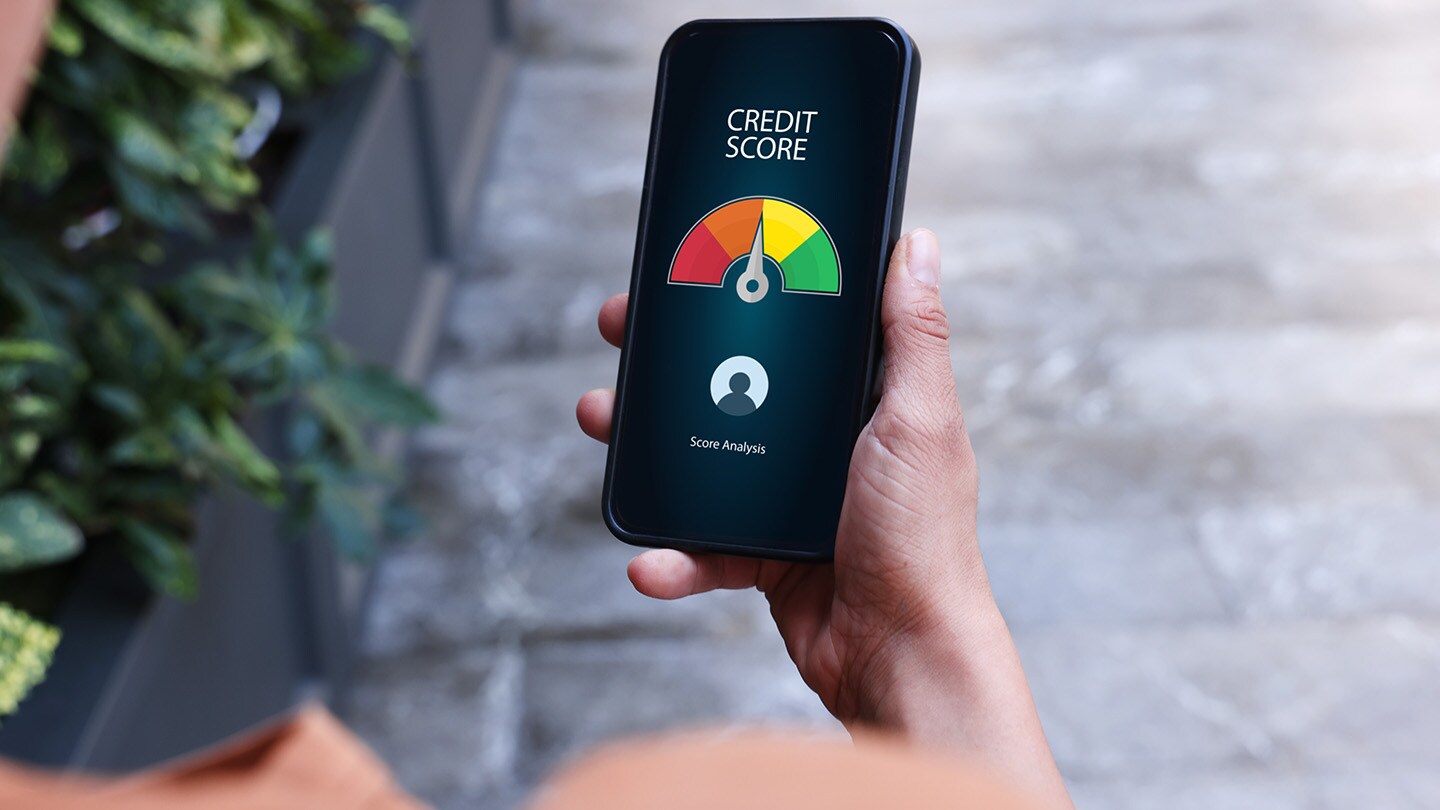
Major Credit Score Components
Credit scoring models weight historical data across distinct categories to determine your comprehensive rating.
Payment History
Your record of on-time payments across revolving credit cards, personal loans, mortgages, and auto financing.
- Timely payments bolster historical stability
- Late payments past 30 days can stay reported for years
- Consistency is prioritized over occasional spikes
Credit Utilization
The total balance you currently owe compared against your total approved credit limits across revolving accounts.
- Ideal utilization is kept low, typically under 30%
- Evaluated both on individual cards and across aggregate balances
- Fluctuates monthly based on reported statement balances
Length of Credit History
How long you have maintained active credit accounts, including your oldest open trade line and average account age.
- Longer established histories provide greater data depth
- Keeping seasoned accounts open helps preserve average age
- Builds progressively over years of active management
Credit Portfolio Mix
The combination of revolving credit accounts (like credit cards) and installment obligations (like fixed auto or education loans).
- Demonstrates competence in managing distinct contract formats
- Opening accounts solely for mix diversity is not required
- Develops naturally as your life circumstances evolve
New Credit Inquiries & Applications
The frequency with which you apply for new credit accounts resulting in hard inquiries on your credit bureau files.
- Multiple hard inquiries in brief succession may signal elevated risk
- Rate-shopping windows for mortgages and auto loans are often grouped
- Hard inquiries typically remain on files for up to 24 months
Practices for Sustained Credit Health
Cultivating predictable financial routines eliminates the guesswork from credit management and safeguards your financial profile against avoidable setbacks.
Credit Score Wellness Checklist
- Set automated recurring payments for all billing obligations.
- Keep card spending well within manageable repayment limits.
- Maintain oldest no-fee credit accounts to protect account age.
- Space out credit applications by at least several months.
- Request credit limit reviews as income expands without increasing spending.
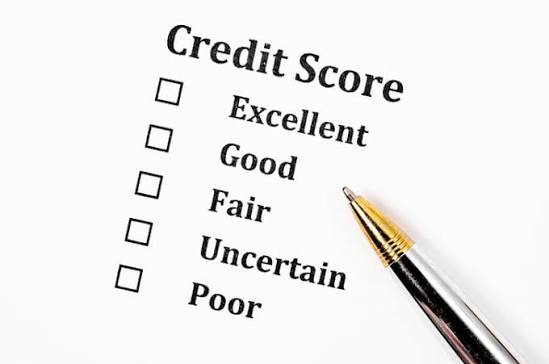
Common Credit Score Missteps
Recognizing frequent errors enables you to navigate credit decisions with foresight and prudence.
Missing Single Due Dates
Even one single missed payment reported past thirty days can adversely affect an otherwise spotless history for extended periods.
Maxing Out Credit Limits
Using 90% or 100% of an available limit significantly elevates your utilization ratio, signaling potential liquidity pressure.
Closing All Inactive Accounts
Abruptly terminating older credit cards reduces your total available credit pool and increases current utilization ratios.
Rapid Inquiries Cluster
Submitting numerous credit applications to multiple lenders in short spans can result in clustered hard inquiries.
Ignoring Statement Closes
Paying balances after the official statement closing date means higher balances are reported to the bureau before repayment.
Failing to Check File Accuracy
Neglecting annual report reviews leaves uncorrected reporting errors on record that may artificially suppress ratings.
Credit Score FAQs
Clarifications on key topics surrounding credit score calculations and monitoring.
Continue to Credit Report Review
Learn how to inspect the official documentation behind your credit scores and understand your rights as a consumer.